Building Trust in an AI Assistant
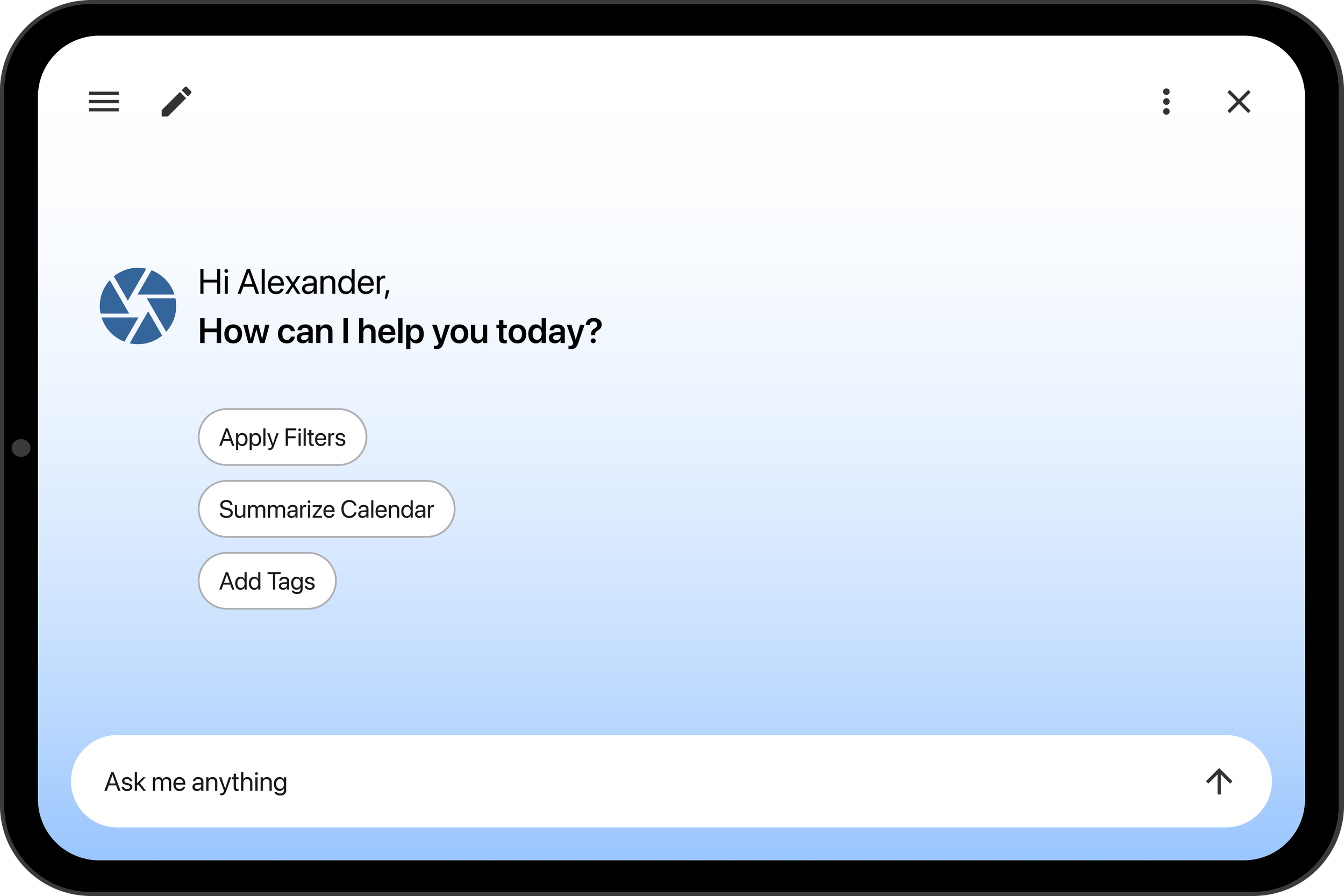
Redesigning an AI assistant to better support users across the platform
When I joined the project, the AI Assistant had already been launched but lacked key usability features and delivered inconsistent responses, making it difficult for customers to trust and integrate into their workflow. My role focused on improving the assistant experience within a specific product suite while creating scalable interaction patterns that were later applied across the platform.
Role
Product Designer
Responsibilities
UX Research, Prototyping, Design System, Developer Handoff
Team
Product, Engineering, AI, Design Leadership, QA
Timeline
3 Months
An AI Assistant That Interrupted Instead of Assisted
“The assistant covers my calendar, and I can’t move or resize it.”
“Sometimes it gives five references, sometimes only two. It’s hard to trust the results.”
Understanding why users struggled to trust and use the experience
Before exploring solutions, I wanted to validate that we were solving the right problems, not just adding more AI features.
Through customer interviews and product feedback, three pain points consistently surfaced: Usability Issues, Inconsistent AI Responses, and Growing Expectations
How might we
How might we build trust in our AI assistant and test that it actually helps our users?
Studying How Trusted AI Products Handle Uncertainty
Using research to create a more predictable AI experience
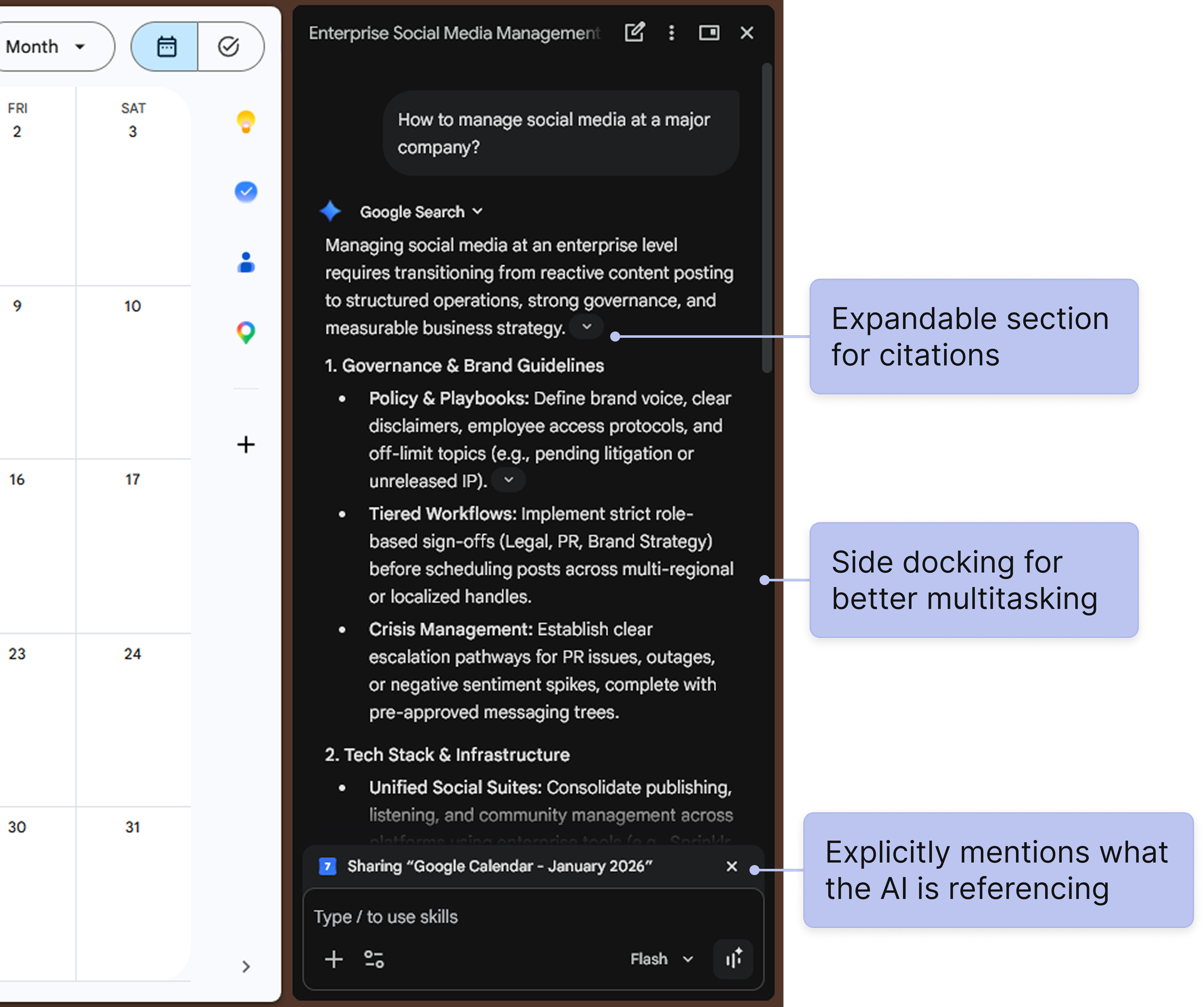
To understand how successful AI assistants support users, I analyzed products like ChatGPT, Gemini, and Copilot, focusing on how they handled conversations, citations, multitasking, and information hierarchy.
Working alongside the Product team, we translated customer needs into standardized response patterns for common use cases, creating a more consistent and trustworthy experience.
My Contributions
Competitive Analysis
Response Layout Exploration
Wireframes for AI Interactions
Information Hierarchy
Choosing Focus Over Features
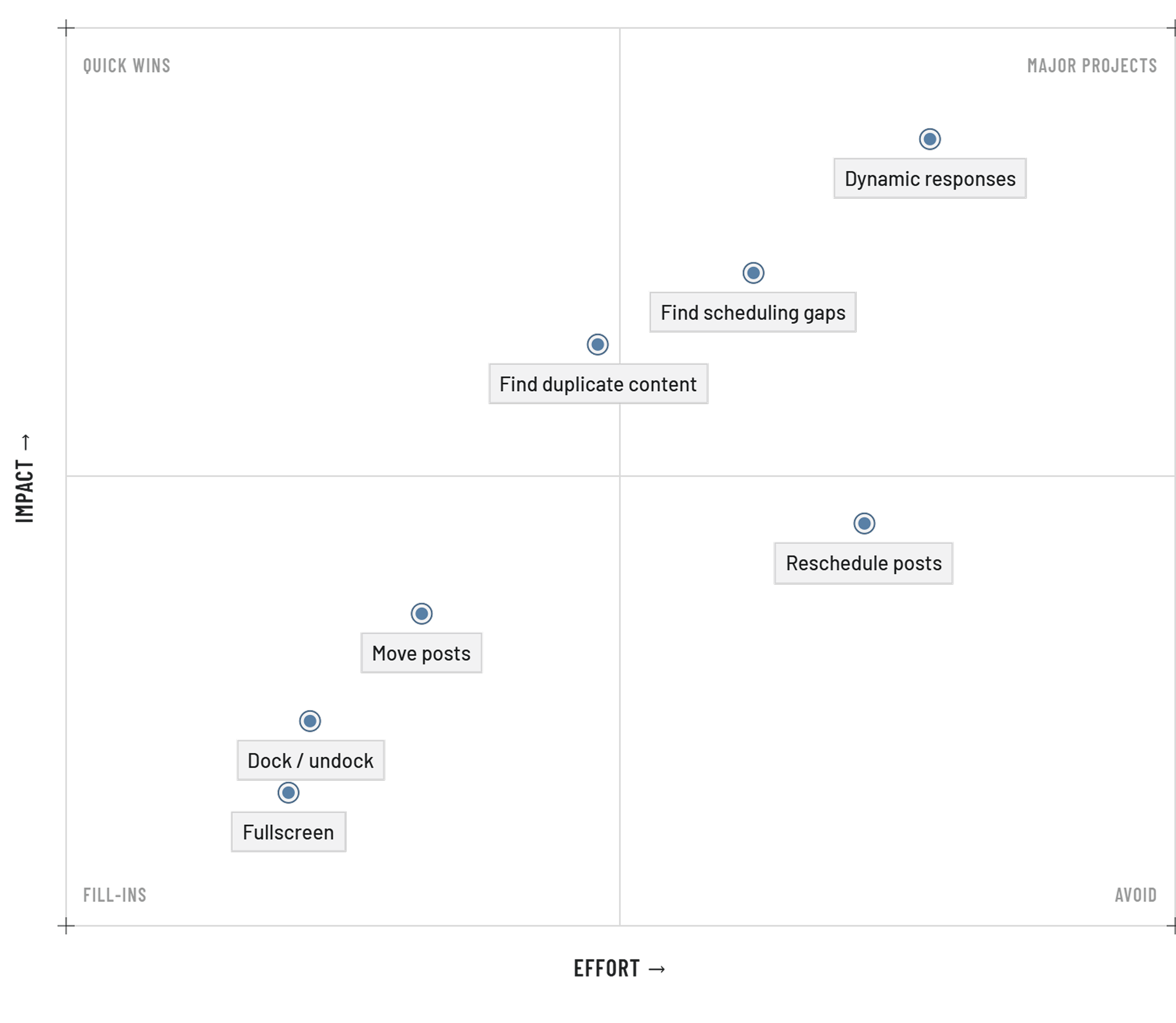
Prioritizing foundational improvements before expanding the assistant
While there were opportunities to introduce many new AI actions, we intentionally chose to solve the biggest usability and trust issues first.
By focusing on foundational improvements such as interaction, consistency, and reliability, we established a stronger experience that future functionality could build upon.
This decision aligned engineering effort with the highest-impact customer problems rather than expanding the feature set too quickly.
Designing for Reality, Not the Happy Path
What if the AI couldn’t answer a request?
What if it takes more than a few seconds to give an answer?
How do we structure lengthy responses into readable sections?
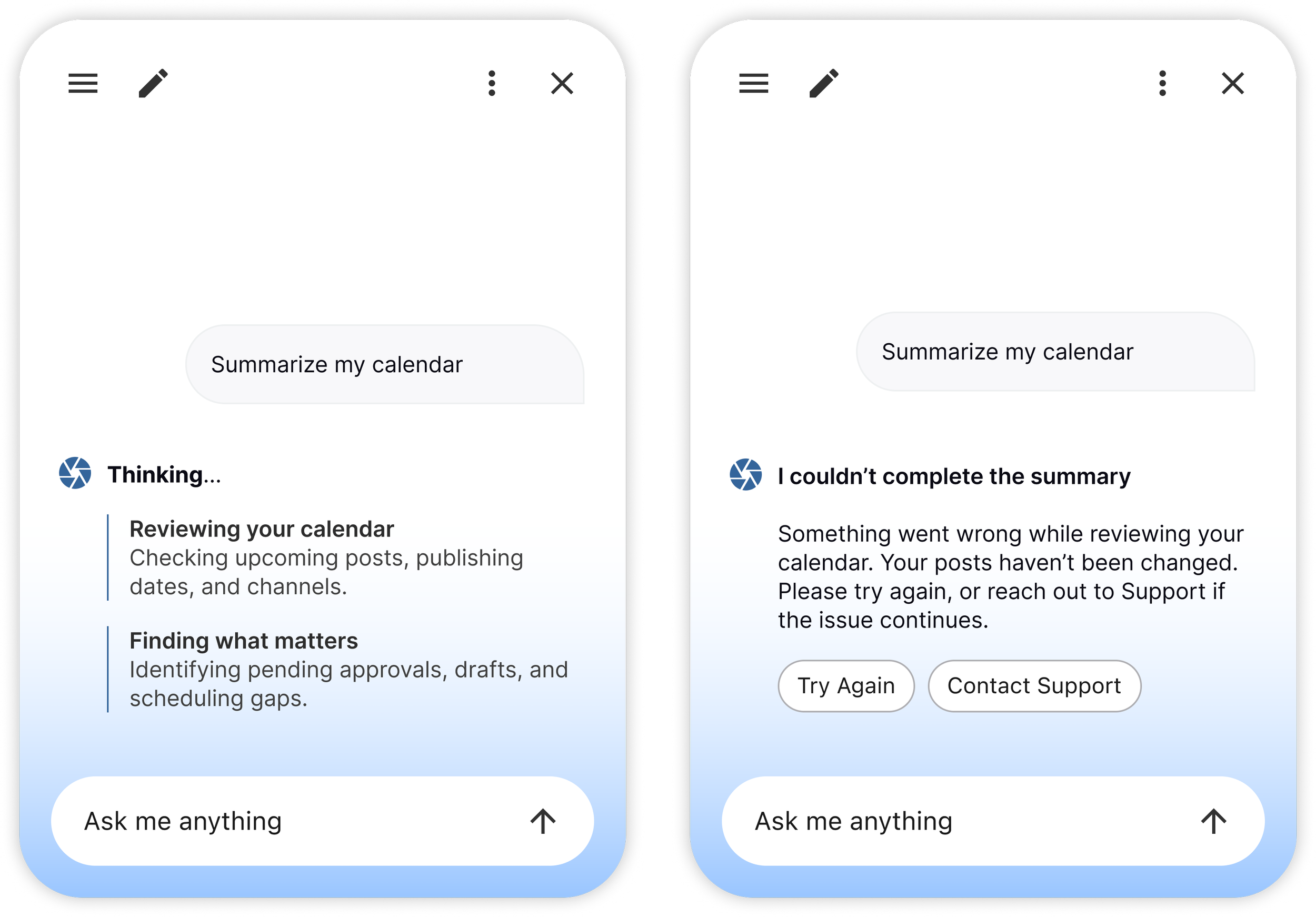
Collaborating with engineering to create resilient AI experiences
Building AI products means designing for uncertainty, not just ideal scenarios.
These conversations ensured the experience remained clear and helpful, even when the AI wasn't perfect.
Bringing It All Together
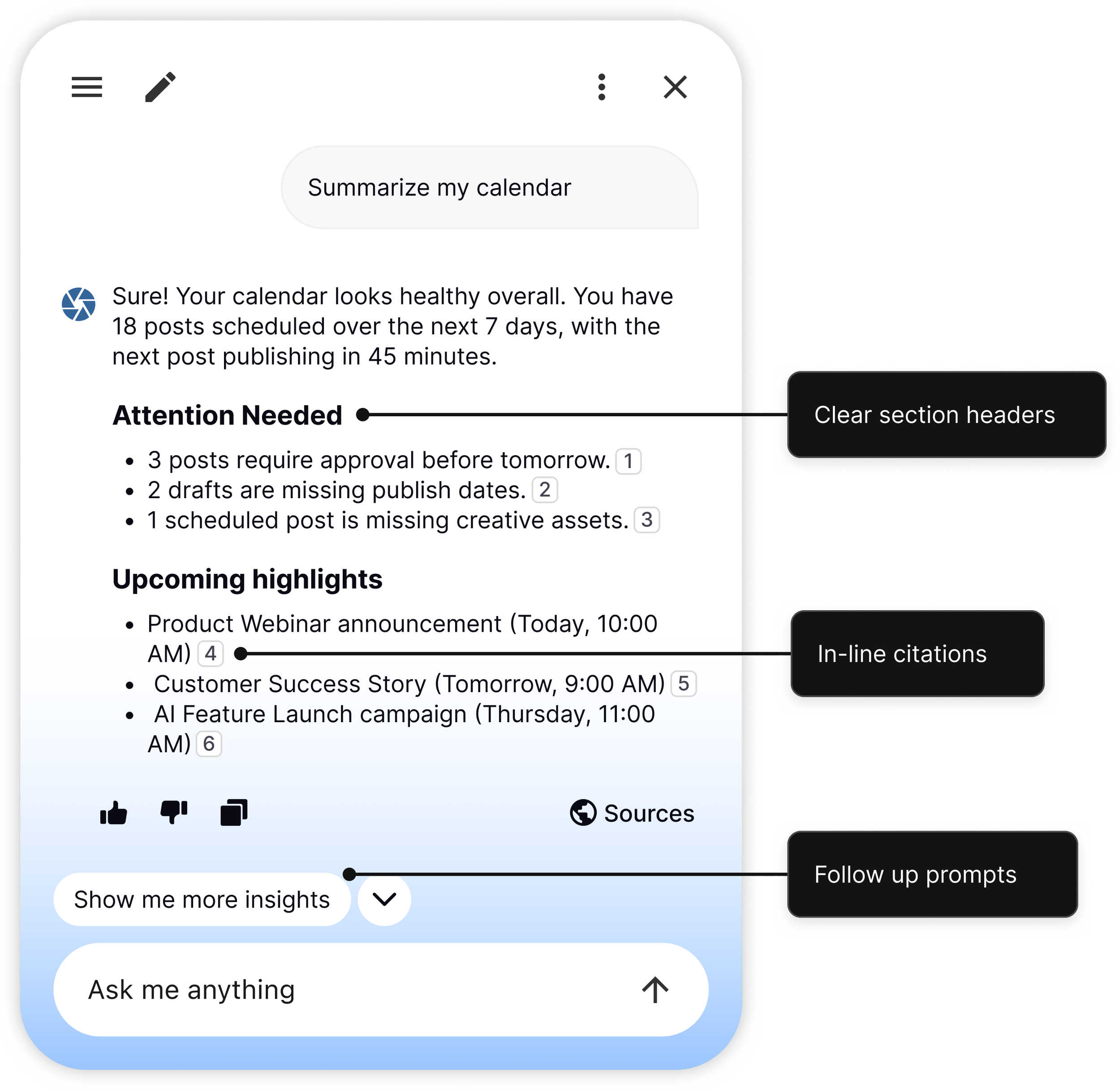
Improving usability while establishing consistent AI interactions
With the core problems defined, I focused on designing an experience that felt reliable, flexible, and easy to use.
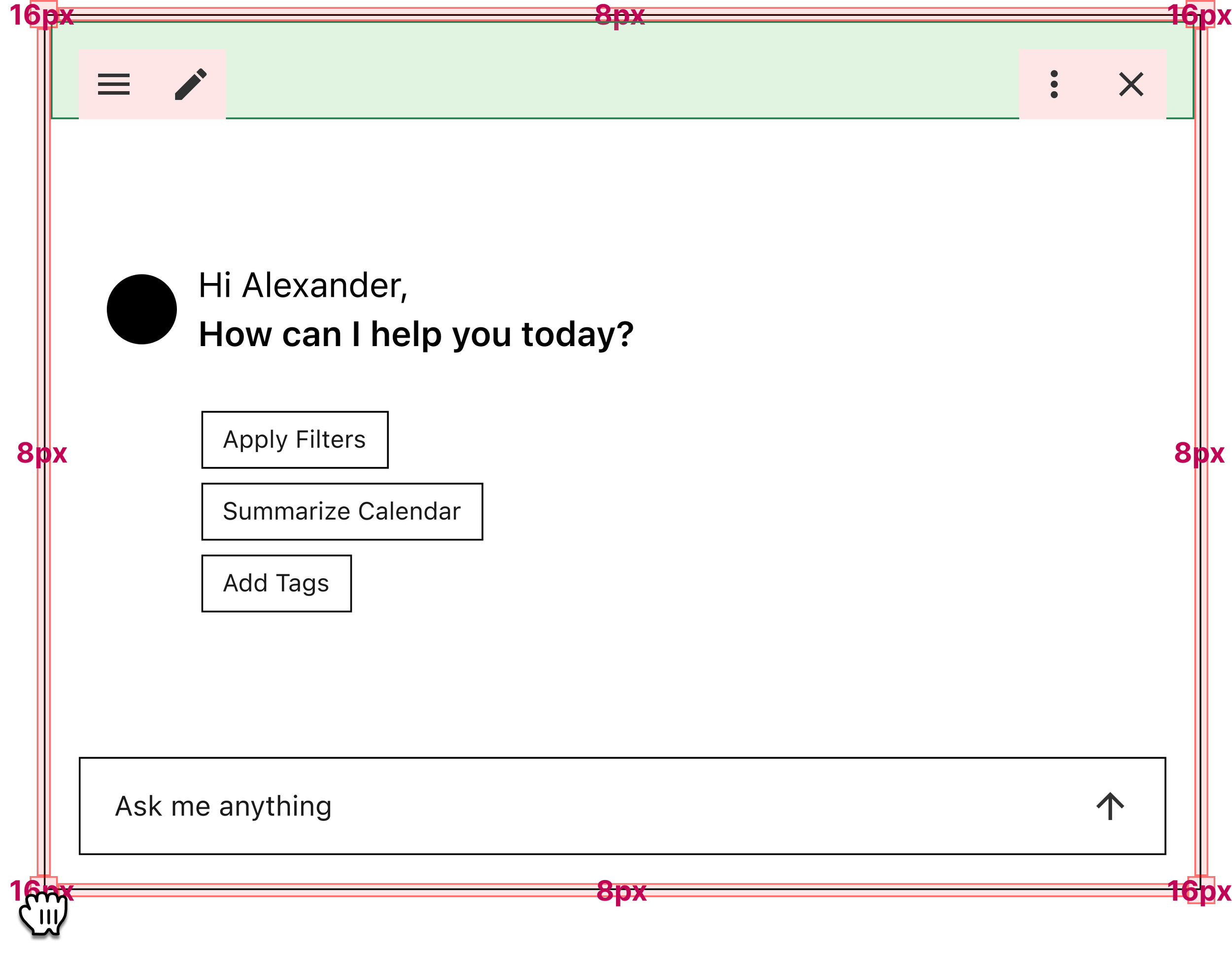
As the designs matured, I built high-fidelity prototypes using our design system while documenting new interaction patterns that could scale across future AI features.
Usability Improvements
Resizable assistant
Draggable window
Improved visual hierarchy
Better readability for longer responses
Consistent AI Responses
Standardized response layouts
Citation patterns
Clear supporting evidence
Scannable content structure
A Faster, More Trusted AI Experience
Now that the assistant was functioning as intended, we could focus on the real improvements that users see when using it as part of their workflow. To get an objective measurement on efficiency gains, I worked with 5 users to compare the speed of filtering using our standard filter bar vs asking the AI assistant.
“I used to manually scroll through the calendar. Now I apply a filter, and instantly find what I’m looking for.”
What This Project Taught Me
This project reinforced that designing AI experiences isn't just about making the model more capable, it's about creating interactions users can understand, predict, and trust. By addressing foundational usability issues alongside response consistency, we established scalable patterns that improved the assistant today while creating a stronger foundation for future AI capabilities.